

Many local businesses grow fast. But, their internal systems often don’t keep up. Teams struggle with unclear roles and uneven performance reviews. Without the right hr solutions nigeria, growth can slow down.
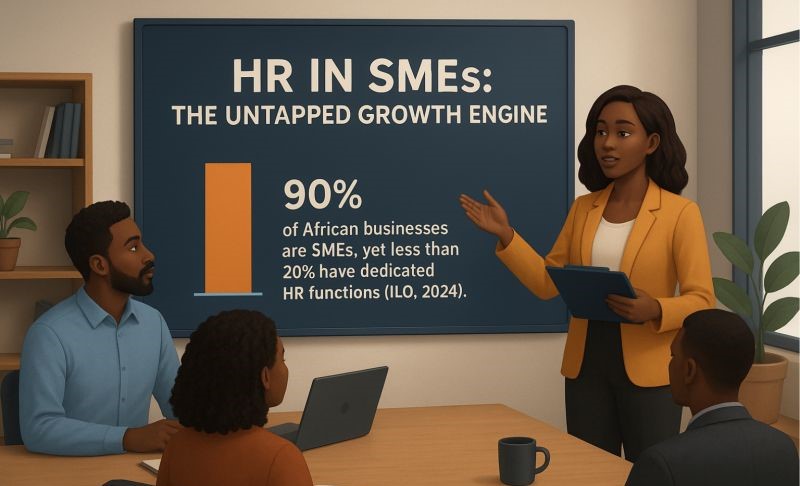
Building Strong HR Infrastructure for Growing Nigerian SMEs
These issues confuse employees. Weak reporting and compliance risks pop up when businesses grow fast. Leaders must build strong foundations to handle new challenges. Creating a solid framework is key to keeping productivity high and reaching goals.
CoreHR Consulting helps companies through these tough times. We aim to stabilize operations so you can lead confidently. By tackling these problems, you can build a healthier work culture that supports your mission.
Key Takeaways
- Rapid expansion often leads to internal management struggles.
- Unclear job roles can significantly decrease team productivity.
- Weak reporting structures create confusion during scaling phases.
- Compliance risks pose a threat to companies without proper oversight.
- Professional support helps stabilize internal operations effectively.
- A solid organizational framework drives long-term business success.
1. The Hidden Cost of Growing Without Structured HR Systems
Growing without a solid HR setup can cost Nigerian SMEs a lot. As they grow, not having a good HR system leads to many problems. These problems hurt their profits.
Without a good HR setup, productivity drops. Employees get confused about their jobs. This makes things less efficient.
Also, not having good HR management systems means more risks. Nigerian labor laws are tough. Breaking these laws can cost a lot in fines and legal trouble. SMEs without the right HR practices face these risks.

SME HR management IN Nigeria
Another big hidden cost is slower growth. Without smooth HR processes, growing is hard. This means missing out on chances and falling behind in the market.
| Hidden Costs | Impact on SMEs |
| Reduced Productivity | Inefficiencies and confusion among employees |
| Increased Compliance Risks | Legal issues and fines due to non-compliance with labor laws |
| Slower Business Growth | Missed opportunities and competitive disadvantage |
To avoid these problems, Nigerian SMEs can use hr consulting services lagos. These services help set up good HR strategies. This way, businesses can grow well and avoid big issues.
2. Critical HR Challenges Facing Expanding Nigerian SMEs
Expanding Nigerian SMEs face many HR challenges that can slow them down. As they grow, they hit obstacles that make it hard to find, keep, and manage good people.
2.1 Undefined Organizational Structure and Reporting Lines
One big challenge is not having a clear organizational structure. As the business gets bigger, roles can get mixed up. This leads to confusion and less efficiency. A clear structure is key for good communication, making decisions, and being accountable.
A study by McKinsey shows that clear structures help companies do better than others.
2.2 Absence of Performance Management Systems
Not having a performance management system is another big issue. It’s hard to check how well employees are doing without one. Having a system helps SMEs use their team better and grow.
For example, Zenith Bank has seen better employee work and business results with their system.
2.3 Compliance Risks Under Nigerian Labor Laws
Nigerian SMEs also worry about following labor laws. The Nigerian Labour Act and other rules are strict. Staying updated with these laws is key to avoid big problems.
Recently, a change to the Employees Compensation Act means employers must pay for work injuries or illnesses.
2.4 Inconsistent Employee Policies and Procedures
Having different policies and procedures is another challenge. Without clear rules, employees get confused. Having detailed handbooks and policy manuals helps set clear rules.
For example, Dangote Group has detailed handbooks that explain company policies and procedures.
In conclusion, Nigerian SMEs face many HR challenges that can affect their growth. By understanding these challenges and using good HR strategies, SMEs can overcome them and reach their goals.
3. Why Strong HR Infrastructure Is Essential for SME Success
For Nigerian SMEs to thrive, a solid HR infrastructure is key. It’s not just good; it’s necessary. A strong HR system is the base for growth, innovation, and staying ahead in the market.
3.1 Creating a Foundation for Operational Excellence
A robust HR infrastructure sets the stage for top performance. It streamlines tasks, boosts employee output, and meets legal standards. With good HR solutions, SMEs can handle routine tasks better, cut down on paperwork, and create a more productive workplace.
This efficiency is vital for SMEs aiming to grow. With a strong HR base, they can manage their team better, make informed decisions, and adapt quickly to market changes.
3.2 Enabling Scalable Business Growth
Scalability is a big deal for SMEs looking to grow. A well-built HR infrastructure helps businesses grow smoothly. It includes systems for hiring, managing performance, and developing employees.
With a scalable HR setup, SMEs can handle growth better, avoid risks, and seize new chances as they come.
3.3 Building Competitive Advantage Through People Management
In today’s competitive world, attracting and keeping top talent is a big plus for SMEs. A strong HR infrastructure supports managing people well. It offers tools and processes for better employee engagement, a positive culture, and higher performance.
By focusing on HR infrastructure, Nigerian SMEs can stand out. They can manage and grow their team effectively. This boosts their success and helps them stay strong over time.
4. Building Strong HR Infrastructure for Growing Nigerian SMEs
Nigerian SMEs are growing fast. A strong HR infrastructure is key for this growth. It supports business growth, improves efficiency, and boosts employee productivity.
4.1 Conducting HR Readiness Assessment
An HR readiness assessment is a must for a strong HR setup. It spots gaps in HR practices and outlines needed improvements. CoreHR Consulting helps SMEs outsource HR functions well.
The assessment looks at HR policies, employee handbook, performance systems, and Nigerian labor laws.
4.2 Designing Effective Organizational Structures
Creating a good organizational structure is essential for SMEs. It supports business goals, clarifies roles, and boosts communication.
4.2.1 Defining Departments and Reporting Relationships
Defining departments and reporting lines is key. It avoids confusion, reduces work overlap, and boosts accountability. A clear structure also helps in making quick decisions.
4.2.2 Creating Clear Job Descriptions and Role Specifications
Clear job descriptions and role specs are vital for talent management. They ensure employees know their roles and expectations. This clarity helps in hiring, training, and evaluating performance.
4.3 Establishing HR System Design Principles
Setting HR system design principles is critical. These principles should match the business strategy and goals. Important factors include scalability, flexibility, and ease of use.
CoreHR Consulting aids SMEs in creating efficient HR systems. By using HR outsourcing services in Lagos, SMEs get expert help in designing and implementing HR infrastructure.
| HR Infrastructure Component | Description | Benefits |
| HR Readiness Assessment | Identifying gaps in current HR practices | Improved HR efficiency, better compliance |
| Organizational Structure Design | Creating a framework for business operations | Enhanced clarity, improved decision-making |
| HR System Design Principles | Guiding principles for HR system development | Scalability, flexibility, user-friendliness |
5. Developing Performance Management and KPI Frameworks
For Nigerian SMEs to grow, they need a strong performance management system. This means setting clear Key Performance Indicators (KPIs) and having good performance reviews. This helps align the team with goals, boosts productivity, and drives growth.
5.1 Setting Measurable Key Performance Indicators
Measurable KPIs are essential for any performance system. They help track progress, spot areas for betterment, and guide decisions. KPIs should be specific, measurable, achievable, relevant, and timely (SMART).
5.1.1 Individual Performance Metrics
Metrics for individual performance are key to evaluating employees. Examples include:
- Sales targets
- Customer satisfaction scores
- Project completion rates
These metrics help see how employees contribute and what training they might need.
5.1.2 Team and Departmental KPIs
Team and departmental KPIs are also vital. They measure how well groups perform. Examples include:
- Team sales targets
- Departmental project delivery timelines
- Cross-functional collaboration metrics
5.2 Implementing Performance Review Processes
Regular performance reviews are key for feedback, goal-setting, and employee growth. A good review process includes:
- Regular check-ins and feedback sessions
- Annual or bi-annual performance appraisals
- Development plans tailored to individual needs
By using hr solutions nigeria and hr consulting services lagos, SMEs can create performance systems that fit their needs. This boosts overall business performance.
Good performance management is more than just tracking. It’s about fostering a culture of ongoing improvement and employee growth. By setting the right KPIs and having fair, constructive reviews, Nigerian SMEs can succeed and meet their growth goals.
6. Creating Complete HR Policies and Ensuring Compliance
Nigerian SMEs growing fast need solid HR policies to avoid risks and keep a good work place. As they grow, things get more complex. So, clear HR policies are key.
Comprehensive HR policies are the core of any business. They set out what employees should know, how things work, and follow the law. For Nigerian SMEs, these policies are not just good to have. They are a must for sme hr management nigeria.
6.1 Developing Employee Handbooks and Policy Manuals
Creating an employee handbook is a big step in setting up HR policies. It should cover company rules, what employees are expected to do, and what happens if they don’t follow the rules. It’s important to include:
- Company mission and values
- What is expected of employees in terms of behavior
- Rules on attendance and leave
- Health and safety rules
- How to handle complaints
The handbook needs to be updated often to keep up with new laws and company changes.
6.2 Navigating Nigerian Employment and Labor Regulations
Nigerian SMEs must follow many employment and labor laws. Knowing these laws is critical for hr support for nigerian businesses.
6.2.1 Payroll Compliance and Tax Obligations
Getting payroll right means correctly calculating and paying taxes and other deductions. Nigerian SMEs must follow tax laws, including:
- Pay As You Earn (PAYE)
- Value Added Tax (VAT)
- Withholding Tax
6.2.2 Pension and Social Security Requirements
Nigerian companies must also follow pension and social security rules. This includes:
- Contributing to Pension Fund Administrators (PFAs)
- Following the Nigeria Social Insurance Trust Fund (NSITF)
Not following these rules can lead to big fines.
6.3 Setting Up Leave and Benefits Administration Systems
A good system for leave and benefits is key for happy employees and following the law. This includes:
- Rules for annual leave
- Rules for sick leave
- Rules for maternity and paternity leave
- Other benefits like health insurance and pension plans
By making solid HR policies and following Nigerian laws, SMEs can avoid problems, work better, and keep a good work place. This smart HR management is vital for Nigerian SMEs to do well in the long run.
7. Implementing HR Technology and Management Systems
Nigerian SMEs are now using HR technology to improve their work flow and HR management. As they grow, they need better HR processes. This makes using HR technology and management systems very important.
Effective HR technology makes admin tasks easier and gives insights into managing the workforce. It helps SMEs make smart choices. The right tech can change how they handle HR, from hiring to keeping employees.
7.1 Selecting HR Software Solutions for Nigerian SMEs
Choosing the right HR software is key for Nigerian SMEs. It should be easy to grow with, simple to use, and work well with other systems. Important features include:
- Payroll management
- Attendance tracking
- Performance management
- Employee self-service portals
When picking HR software, SMEs should look at the vendor’s reputation, support, and total cost. The right software can make HR better, saving time and money.
7.2 Digitizing Employee Records and Documentation
Switching to digital employee records is a big step for HR. It cuts down on data loss, makes data more accurate, and easier to access. Digital records also help with following labor laws and audits.
Digital transformation in HR means more than just digital storage. It’s about managing and finding documents easily. This change can make HR work better and help make decisions easier.
7.3 Automating Payroll and Attendance Tracking
Automating payroll and attendance is a big part of using HR technology. It cuts down on mistakes, makes sure laws are followed, and keeps employees happy with correct pay on time.
Using tech for payroll and attendance gives SMEs insights into their workforce. This helps them plan better and work more efficiently. Automating these tasks is a key part of a good HR strategy for SMEs.
In summary, using HR technology and management systems is a smart move for Nigerian SMEs. By picking the right software, going digital, and automating tasks, SMEs can improve their HR, grow their business, and stay ahead in a changing market.
8. Measuring the Business Impact of HR Infrastructure Investment
In Nigeria, small and medium-sized enterprises (SMEs) are growing fast. They need strong HR systems to work well and grow. A good HR system helps businesses succeed and stay competitive.
By investing in HR, SMEs gain many benefits. These benefits help their profits grow.
8.1 Improved Productivity and Employee Performance
A good HR system makes employees work better and harder. It helps set goals, gives feedback, and finds ways to get better. This makes the team more motivated and productive.
Key metrics to measure productivity include:
- Employee satisfaction ratings
- Output per hour
- Quality of work
8.2 Reduced Compliance Risks and Legal Exposure
Following Nigerian labor laws is key for SMEs to stay out of trouble. A strong HR system keeps records right, checks for compliance, and follows the law.
| Compliance Area | Risk Mitigation Strategy |
| Labor Law Compliance | Regular audits and updates on labor laws |
| Employee Documentation | Systematic and secure record-keeping |
8.3 Enhanced Talent Attraction and Retention Rates
A good HR system is also key for getting and keeping the best employees. Clear policies, good pay, and chances for growth make a company attractive. This helps keep employees from leaving.
Strategies for talent retention include:
- Professional development opportunities
- Competitive benefits and compensation
- Positive work culture
9. Conclusion
Nigerian SMEs need to focus on building strong HR infrastructure for growth. This helps them stay competitive. By setting up structured HR systems, businesses can work better, avoid legal issues, and improve how employees perform.
Good HR solutions in Nigeria help companies grow without losing productivity. Investing in HR infrastructure lays a strong base for long-term success.
To create a solid HR system for growth, think about working with experts like CoreHR Consulting. They know a lot about HR in Nigeria. They can help you deal with HR challenges and follow Nigerian labor laws.
Start building a strong HR infrastructure today. Reach out to CoreHR Consulting to see how their custom HR solutions can help your business grow.
FAQ
Why is building strong HR infrastructure for growing Nigerian SMEs essential for long-term success?
For growing companies in Nigeria, a strong HR infrastructure is key. It keeps internal systems up to date with market growth. Without it, businesses face issues like unclear roles and high turnover.CoreHR Consulting helps set up these systems. This way, as your team grows, your operations stay efficient.
What are the primary HR solutions Nigeria providers offer to mitigate compliance risks?
HR solutions in Nigeria focus on following the Nigerian Labor Act. They handle PAYE tax, pension, and ITF compliance. Professional HR support prevents legal issues and financial penalties for SMEs.
How can HR consulting services Lagos help optimize a company’s organizational structure?
HR consulting services in Lagos, like CoreHR Consulting, help move away from flat structures. They define clear roles and job descriptions. This ensures employees know their responsibilities, a key part of HR infrastructure in Nigeria.
What are the benefits of outsourcing to HR outsourcing services Lagos instead of hiring an internal HR manager?
Outsourcing HR in Lagos gives SMEs access to expertise without the cost of a full-time HR manager. It offers flexible solutions for payroll, recruitment, and policy. This lets business owners focus on making money.
How does a structured HR strategy for SME growth improve employee performance?
A structured HR strategy introduces KPIs and regular reviews. Professional SME HR management in Nigeria gives clear feedback and incentives. This boosts productivity and aligns employees with company goals.
What role does technology play in modern small business HR solutions Nigeria?
Modern HR solutions in Nigeria focus on digitizing records and automating payroll. An HRIS from CoreHR Consulting reduces errors, secures data, and offers insights into the workforce. This is essential for any HR project in Nigeria.
When should a Nigerian business transition from informal hiring to a formal HR infrastructure?
The transition should happen before reaching 10 employees. At this point, managing people becomes more complex. Investing in HR support early ensures a strong culture and standards as the company grows.